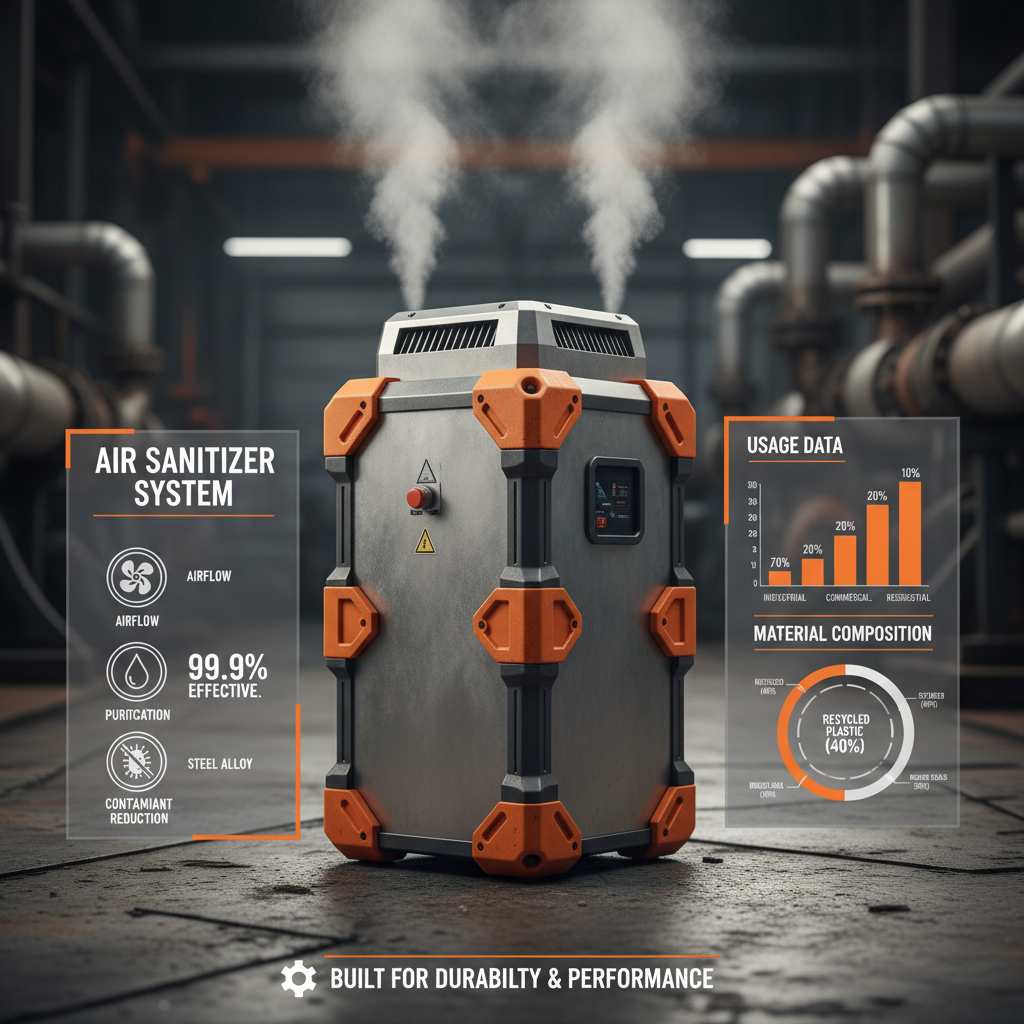
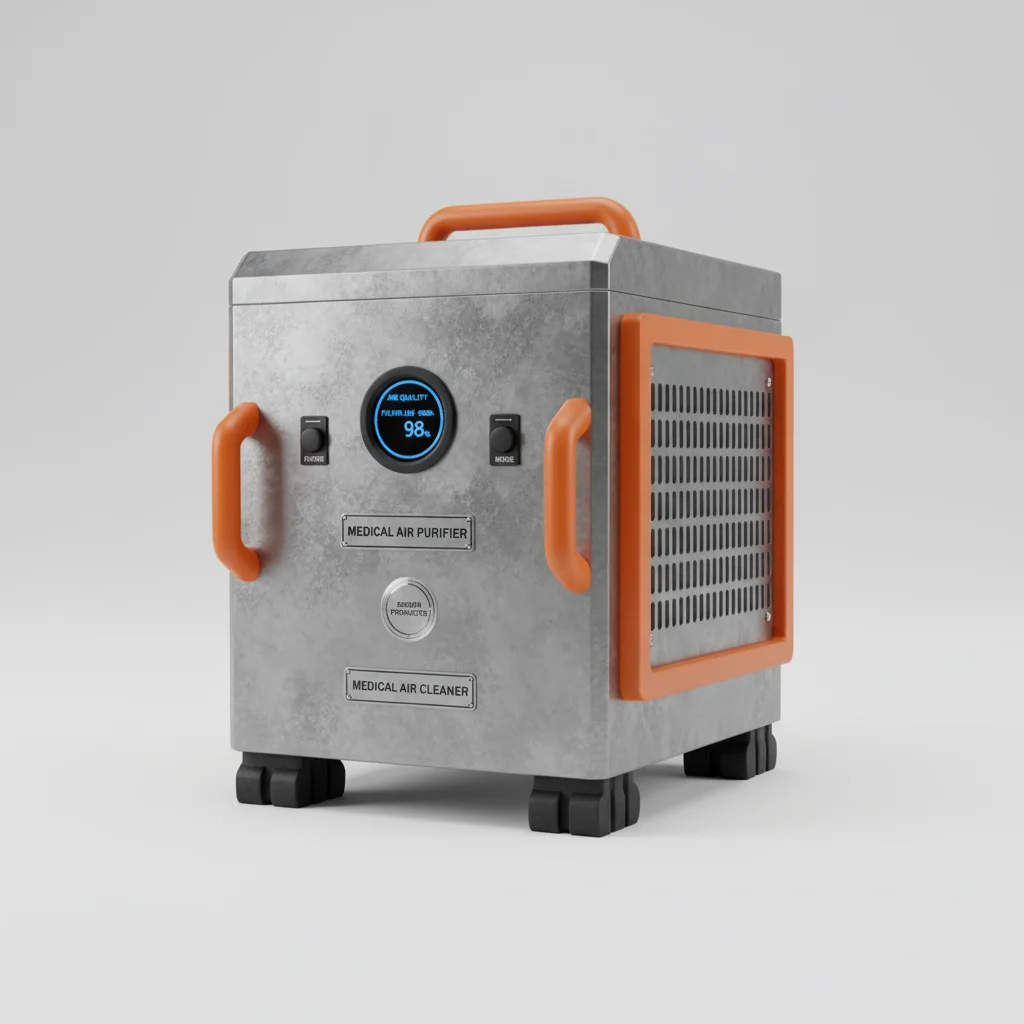
The demand for clean air solutions is escalating globally, driven by increasing awareness of indoor air quality and its impact on health and well-being. air sanitizer machines represent a vital component in addressing this challenge, offering a proactive approach to air purification across diverse environments. This technology has become increasingly sophisticated, moving beyond simple filtration to incorporate advanced techniques like UV-C sterilization and photocatalytic oxidation.
Within the manufacturing sector, particularly in rubber and plastics, precision and reliability are paramount. The development of effective air sanitizer machines requires innovative materials and engineering, aligning perfectly with our capabilities in silicone and rubber components. We are uniquely positioned to contribute to the advancement of these systems, ensuring optimal performance and durability.
The importance of air sanitizer machines extends beyond individual health benefits; they play a critical role in maintaining productivity in industrial settings and preventing the spread of airborne pathogens in sensitive environments like healthcare facilities and food processing plants.
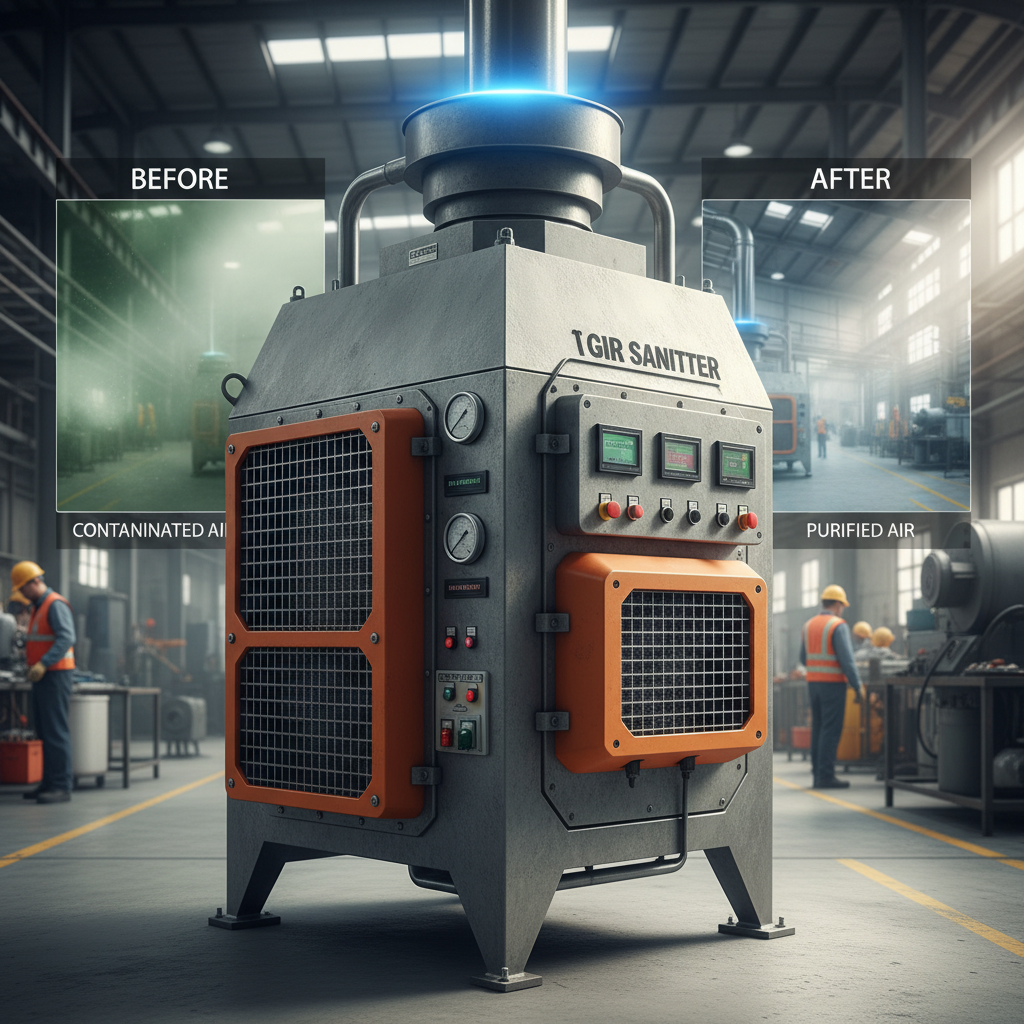
The Global Importance of Air Sanitization
Air sanitization is no longer a niche concern but a global imperative. According to the World Health Organization (WHO), approximately 99% of the global population breathes air that exceeds WHO guideline limits, contributing to millions of deaths annually. air sanitizer machines address this pressing issue by actively removing pollutants, allergens, and pathogens from the air, creating healthier and safer environments.
The rise of urbanization, coupled with industrial activity, has exacerbated air quality challenges, particularly in densely populated areas. ISO standards for air quality management are increasingly stringent, demanding effective solutions to meet regulatory requirements. The need for portable and efficient air purification systems, like the air sanitizer machine, is therefore continually growing.
Defining the Air Sanitizer Machine
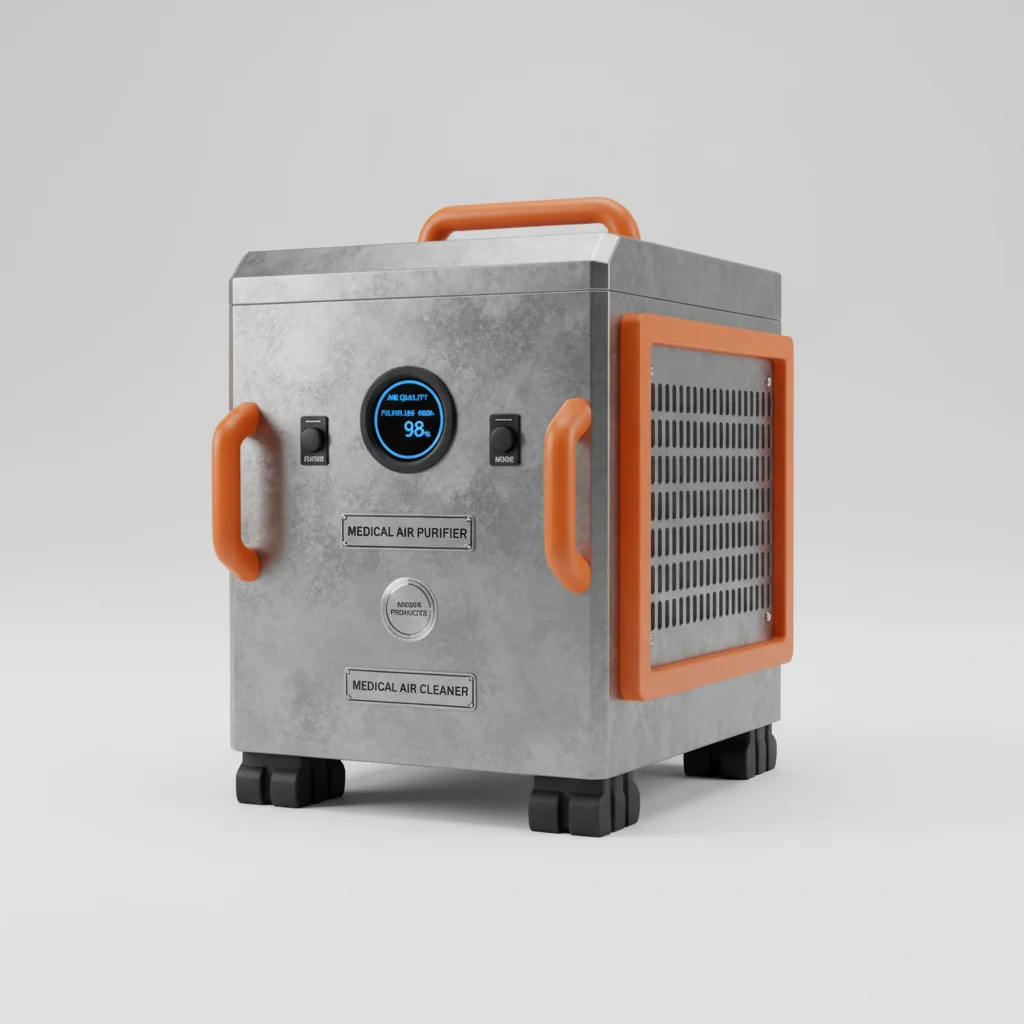
An air sanitizer machine is a device designed to remove contaminants from the air, going beyond simple filtration to actively neutralize harmful particles. Unlike air purifiers, which primarily capture airborne pollutants, sanitizers often employ technologies like UV-C irradiation, photocatalytic oxidation (PCO), or ionization to destroy bacteria, viruses, and other microorganisms.
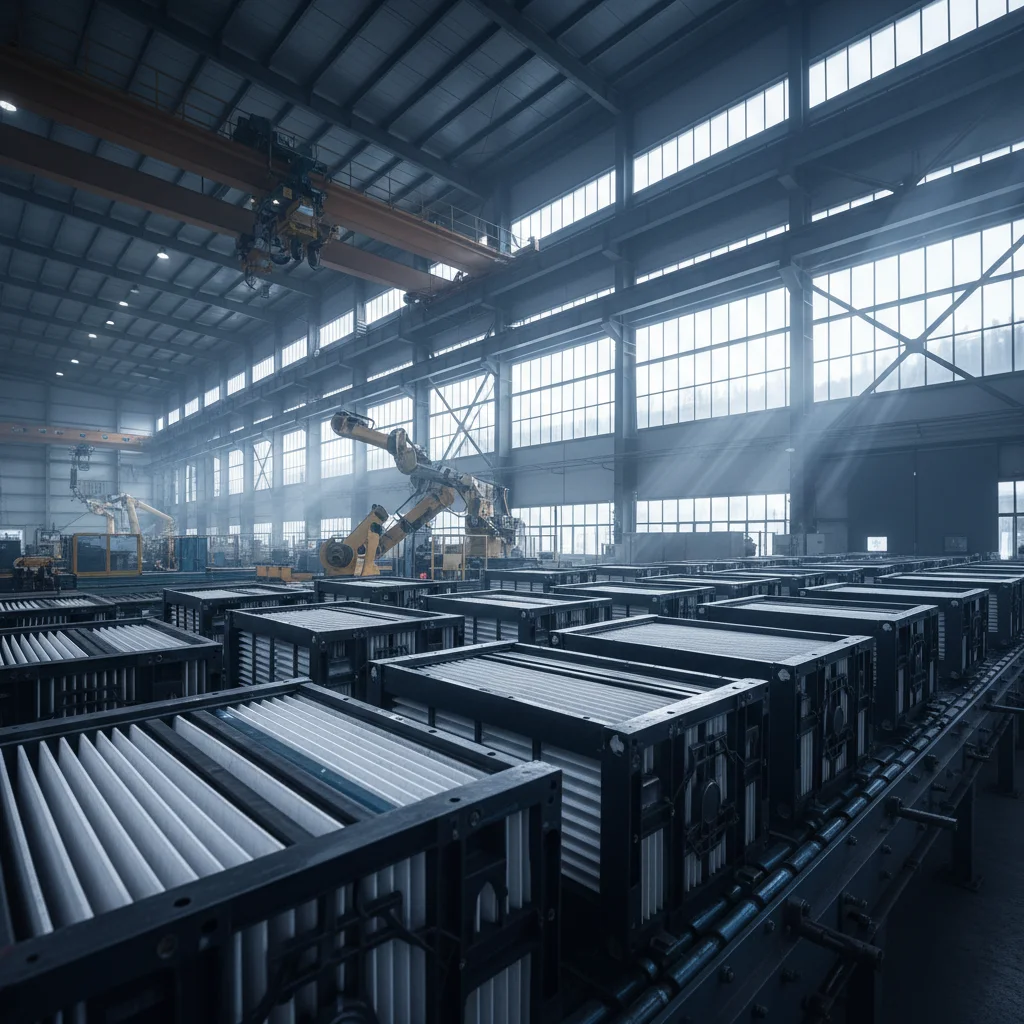
The connection to modern industry is evident in the demand for cleanroom environments in sectors like pharmaceuticals, electronics manufacturing, and food processing. These industries rely on air sanitizer machines to maintain strict quality control and prevent product contamination. Our expertise in silicone sealing rings and specialized rubber components contributes to the airtight integrity of these machines.
In a humanitarian context, portable air sanitizer machines are invaluable in disaster relief efforts, providing safe air in temporary shelters and field hospitals, and combating the spread of infectious diseases.
Core Components and Functionality
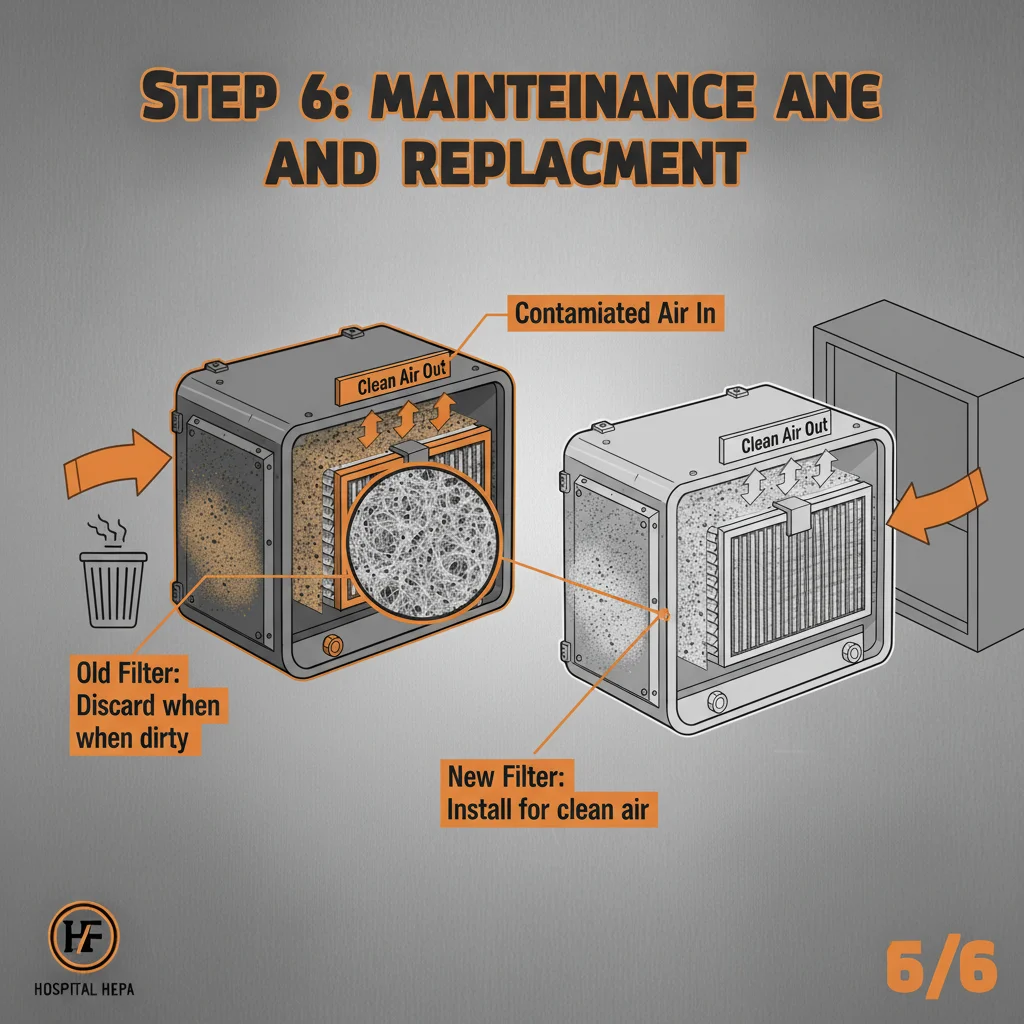
Several key factors determine the effectiveness of an air sanitizer machine. First, the filtration system, typically employing HEPA filters to capture particulate matter. Second, the sanitization technology itself – UV-C lamps, PCO reactors, or ionization modules – responsible for destroying microorganisms. Third, airflow dynamics, which dictate how effectively air is circulated through the machine for optimal treatment.
Durability is also crucial, particularly in industrial applications. This involves using robust materials that can withstand continuous operation and exposure to harsh environments. Silicone components, renowned for their temperature resistance and chemical inertness, play a vital role in ensuring the longevity of these systems. We provide custom silicone seals, gaskets, and tubing tailored to the specific needs of air sanitizer machine manufacturers.
Finally, the control system and sensors play a critical role in monitoring air quality, adjusting operation, and providing feedback on performance. Advanced machines utilize smart sensors and IoT connectivity to optimize sanitization cycles and alert users to filter replacement needs.
Global Applications Across Industries
air sanitizer machines find application across a vast spectrum of industries. In healthcare settings, they are essential for maintaining sterile environments in operating rooms, isolation wards, and dental clinics. In the food and beverage industry, they prevent spoilage and contamination, ensuring product safety.
In post-disaster relief operations, portable units provide clean air in makeshift shelters, mitigating the risk of respiratory illnesses. Furthermore, in remote industrial zones lacking robust ventilation systems, air sanitizer machines safeguard worker health and productivity.
The automotive industry utilizes them in paint booths to remove airborne particles and ensure a flawless finish, while the semiconductor industry relies on them for maintaining ultra-clean environments during microchip fabrication.
Air Sanitizer Machine Technology Comparison
Advantages and Long-Term Value Proposition
The advantages of implementing air sanitizer machines are multifaceted. Beyond the immediate health benefits, such as reduced respiratory illnesses and allergies, they contribute to increased productivity in workplaces and enhanced quality control in manufacturing processes. The long-term cost savings associated with reduced healthcare expenses and improved product yields make them a sound investment.
From a sustainability perspective, efficient air sanitization can reduce the reliance on energy-intensive HVAC systems. Furthermore, the use of durable and recyclable materials, like silicone, aligns with environmentally conscious manufacturing practices. Trust and reputation are also bolstered by demonstrating a commitment to providing a safe and healthy environment for employees and customers.
Future Trends and Technological Innovations
The future of air sanitizer machines is poised for significant innovation. We anticipate increased integration of smart sensors and IoT connectivity, enabling remote monitoring, predictive maintenance, and automated adjustments based on real-time air quality data.
Research is also focused on developing more efficient and sustainable sanitization technologies, such as advanced photocatalytic materials and energy-efficient UV-C lamps. The convergence of air purification and environmental monitoring will lead to even more sophisticated systems capable of addressing a wider range of air quality challenges.
Challenges and Innovative Solutions
Despite the advancements in air sanitizer machine technology, challenges remain. Maintaining optimal performance requires regular filter replacement and UV-C lamp maintenance. Ensuring consistent air circulation in large spaces can also be difficult.
Our innovative approach focuses on developing longer-lasting filters and self-cleaning UV-C systems. We are also exploring advanced airflow designs that maximize coverage and minimize energy consumption. Utilizing silicone materials for critical sealing components ensures consistent performance and minimizes leaks, maximizing the effectiveness of the sanitization process.
Another key challenge is addressing concerns about ozone production with some UV-C systems. We're committed to developing UV-C solutions that minimize ozone emissions, ensuring user safety and environmental responsibility.
Summary of Air Sanitizer Machine Challenges and Solutions
| Challenge |
Impact on Performance |
Potential Solution |
Role of Silicone Components |
| Filter Clogging |
Reduced Airflow, Lower Sanitization Efficiency |
High-Efficiency Filters, Automated Filter Change Reminders |
Silicone seals prevent bypass of unfiltered air. |
| UV-C Lamp Degradation |
Decreased Sanitization Power |
Longer-Life UV-C Lamps, Monitoring Systems |
Silicone housings for UV-C lamps offer thermal stability. |
| Uneven Air Distribution |
Localized Sanitization, Ineffective Purification |
Optimized Fan Design, Strategic Air Intake/Outlet Placement |
Silicone tubing for flexible air delivery. |
| Ozone Emission (UV-C) |
Potential Health Risks |
Catalytic Ozone Destroyers, Optimized UV-C Wavelengths |
Sealing components ensure containment of ozone destruction systems. |
| High Energy Consumption |
Increased Operating Costs |
Energy-Efficient Fans, Smart Control Systems |
Silicone insulation for electrical components. |
| Maintenance Complexity |
Increased Downtime, Higher Service Costs |
Modular Design, Easy-to-Replace Components |
Quick-connect silicone fittings for easy maintenance. |
FAQS
Air purifiers primarily filter out particles like dust and pollen, while air sanitizer machines actively neutralize bacteria, viruses, and other pathogens using technologies like UV-C or PCO. Sanitizers go beyond removal to destruction, offering a higher level of air quality control.
The frequency of filter replacement depends on usage and air quality conditions. Generally, HEPA filters should be replaced every 6-12 months, but some machines have indicators to alert you when a change is needed. Regularly checking and replacing filters ensures optimal performance.
UV-C radiation can be harmful to skin and eyes. Therefore, air sanitizer machines using UV-C are designed with enclosed systems to prevent exposure. Ensure the machine is properly sealed and avoid direct eye contact with UV-C lamps.
The appropriate size depends on the room's square footage and ceiling height. Manufacturers typically provide guidelines based on Clean Air Delivery Rate (CADR). Choose a machine with a CADR rating suitable for your space to ensure effective sanitization.
Some air sanitizer machines equipped with activated carbon filters can effectively remove odors. Activated carbon adsorbs volatile organic compounds (VOCs) that cause unpleasant smells. PCO technology can also break down odor-causing molecules.
Energy consumption varies depending on the model and features. Generally, air sanitizer machines consume between 20-100 watts. Look for Energy Star-certified models for optimal energy efficiency.
Conclusion
In conclusion, air sanitizer machines are a critical component of modern health and safety protocols, offering a proactive solution to indoor air quality challenges across diverse industries and environments. From healthcare facilities to disaster relief efforts, these machines play a vital role in protecting public health and ensuring productivity. Their effectiveness hinges on a combination of robust filtration, advanced sanitization technologies, and durable components – areas where our expertise in silicone and rubber materials provides a distinct advantage.
Looking ahead, continued innovation in materials science, sensor technology, and energy efficiency will further enhance the performance and accessibility of air sanitizer machines. We encourage you to explore our range of silicone components and collaborate with us to develop cutting-edge air purification solutions. Visit our website at www.gyfsilicone.com to learn more.